
The £500 question
Five hundred pounds buys a genuinely capable home espresso setup in 2026 – but only if the money goes to the right machine. Below that line, the market splits sharply into two camps: semi-automatic machines that ask for a bit of technique in exchange for real control over the shot, and bean-to-cup machines that trade some of that control for one-touch convenience.
New to home espresso? Start with our first home espresso setup guide.
This guide narrows the field to four machines, one for each of the situations most UK buyers are actually in: the all-rounder, the total beginner, the milk-drink household, and the manual purist chasing latte art. Prices below are current approximate UK figures rather than launch-day prices.
The four picks under £500
Best overall under £500 – Sage Bambino Plus (about £399)
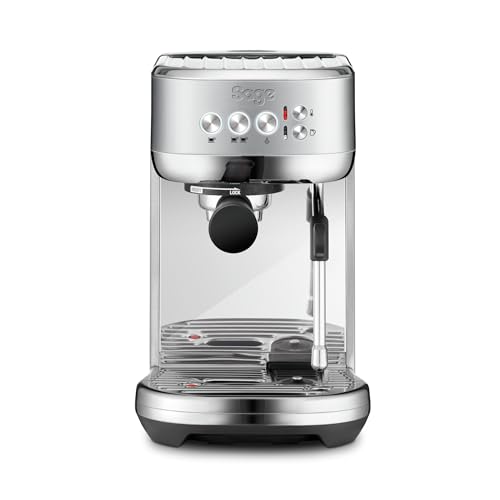
The Bambino Plus remains the default recommendation for most people spending under £500 on espresso. The ThermoJet heating system gets it to temperature in around three seconds, and automatic microfoam milk texturing takes the trickiest part of milk drinks out of the user’s hands almost entirely. It isn’t a machine for people who want zero involvement: it takes pre-ground coffee or a separate burr grinder, and it rewards a bit of dialling-in.
Best for beginners – De’Longhi Magnifica Evo (about £440)
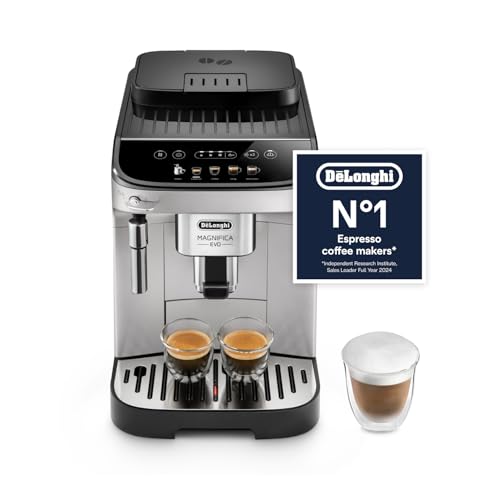

For households that want coffee shop drinks with the least possible friction, the Magnifica Evo is the more sensible starting point than any semi-automatic machine. It’s a bean-to-cup machine: beans go in the hopper, a button gets pressed, and espresso, americano or milk-based drinks come out with no grinding, tamping or steam wand technique required.
Best bean-to-cup under £500 – Philips 3200 Series LatteGo (about £429)

For households where milky drinks are the main event, the LatteGo milk system is the standout feature in this price bracket. Unlike a traditional milk carafe or steam wand, LatteGo uses a two-piece design with no internal tubes, which means it can be rinsed under a tap in seconds.
Best manual for latte art – Gaggia Classic Evo Pro (about £549 – see note)
A note on price: this model’s UK price has risen since this guide was first published and now typically sits just above the £500 ceiling, usually in the £520-£550 range depending on retailer and colour. It’s kept here because nothing else in this bracket matches it for manual control.

For anyone committed to actually learning espresso, the Classic Evo Pro is still the machine most enthusiasts land on. The commercial-style 58mm portafilter, solenoid valve for clean pucks, and brass boiler are all details that matter once technique improves. A separate grinder is non-negotiable here.
What to avoid at this price
Thermoblock-only machines without a stable boiler tend to struggle with milk and espresso back-to-back. Pump pressure specs above 15 bar are largely a marketing number rather than a meaningful quality signal. And machines that ship with a built-in grinder but no way to adjust grind size finely enough for espresso are a common trap in the sub-£300 end of the market.
The grinder question
A semi-automatic espresso machine is only as good as the grind going into it, and pre-ground coffee is the single biggest limiter on shot quality regardless of which machine above is chosen. For the Bambino Plus and the Gaggia Classic Evo Pro in particular, a decent burr grinder is not optional if the goal is coffee shop quality. See our best burr grinders under £200 UK 2026 guide.
How to choose between the four
Choose the Sage Bambino Plus by default. Choose the De’Longhi Magnifica Evo if zero manual involvement is the priority. Choose the Philips 3200 Series LatteGo if milk drinks are the main use case. Choose the Gaggia Classic Evo Pro only if learning proper technique and eventually pulling shots good enough for latte art is genuinely the goal.
Frequently asked questions
Is £500 enough for a good espresso machine in the UK?
Yes. All four machines in this guide are capable of coffee-shop-quality results in the right hands.
Do I need a separate grinder?
For the two bean-to-cup machines, no. For the Sage Bambino Plus and the Gaggia Classic Evo Pro, a separate burr grinder makes a bigger difference to shot quality than almost any other single accessory.
Which of these is easiest to clean?
The Philips 3200 Series LatteGo, largely because of its tube-free milk system.
Which machine is best for a complete beginner?
The De’Longhi Magnifica Evo. It removes grinding, tamping and milk-texturing technique entirely.
Is the Gaggia Classic Evo Pro really still worth it if it’s now over £500?
For someone specifically chasing manual control and latte art, yes. For a strict £500 ceiling, the Sage Bambino Plus is the better-value alternative.



