The Gaggia Classic Pro is the espresso machine people recommend when someone says they want to get properly into coffee. It has been around in one form or another for roughly thirty years, it uses a commercial-size 58mm portafilter, and it is built from parts you can actually buy and replace. That is a rare thing in a market full of sealed plastic boxes. Our editor, Ben, used one daily for about a year, paired with a dedicated burr grinder and UK hard water, and this review is based on that experience.
New to home espresso? Start with our first home espresso setup guide.
A note on naming: Gaggia has updated the machine several times. The version sold on Amazon UK today is the Classic E24 Evo Pro, which keeps the Classic Pro character but adds a brass boiler and a solenoid valve. Everything below applies to that current model. Prices are approximate and move often, so check the live listing before buying.
Our verdict at a glance
- Best for: people who want to learn espresso properly and are happy to spend a few weeks getting good at it.
- Not for: anyone who wants to press a button and get a flat white. Look at an automatic or bean-to-cup machine instead.
- Budget: allow for a decent burr grinder as well as the machine. The grinder matters at least as much as the espresso machine.
- Approximate price: usually in the high £300s to mid £400s at UK retailers. Check the live listing.
How it compares to the alternatives
The Classic Pro sits at the manual, hands-on end of the sub-£500 espresso market. The Sage Bambino Plus is smaller and far more forgiving, with an automatic steam wand and very fast heat-up. The De’Longhi Magnifica Evo grinds, brews and froths at the touch of a button, but you give up control and the ability to upgrade. The Gaggia asks the most of you and rewards you most over time.
- Learning curve: steep for the Gaggia, gentle for the Bambino Plus, almost none for the Magnifica Evo.
- Milk: the stock Gaggia wand is basic and needs practice; the Bambino Plus texturing is automatic; the Magnifica Evo froths at the touch of a button.
- Upgrades: the Gaggia has the biggest aftermarket by a distance; the other two have very little.
- Footprint: the Gaggia is compact for a 58mm machine, but you still need room for a grinder beside it.
The learning curve: the honest truth
Your first week of shots will be inconsistent: too fast and sour, or too slow and bitter. Espresso is a system, and the machine is only one part of it. Fresh beans, grind size, dose, tamp and shot time all interact, and the Gaggia has no clever electronics to smooth over your mistakes. Within two to three weeks of regular practice, most people start pulling shots they are happy to drink. That is the real price of admission, and it is worth being honest with yourself about whether you want the hobby or just the coffee.
A proper burr grinder is not optional. Pre-ground coffee is too coarse and stale to work well in a pressurised-free 58mm basket, and a weak blade grinder will leave you chasing your tail. If you are stretching the budget, buy a slightly cheaper machine and a better grinder, not the other way round.
Espresso quality in the cup
Once you are dialled in, the Classic Pro produces genuinely café-quality espresso. The 58mm portafilter matches the size used on professional machines, so baskets, tampers and accessories are easy to find. Fresh grinding and good pressure control give a proper crema and a balanced, sweet shot when the variables line up. The current brass boiler holds temperature better than older aluminium versions, which helps consistency, though it still rewards a little routine, such as running water through the group before your first shot.
Steaming milk and making flat whites
The stock steam wand is basic. It will make passable milk, but getting glossy microfoam takes practice and a bit of patience. The most popular fix is the Rancilio Silvia steam wand upgrade, which fits in about fifteen minutes with a couple of spanners and transforms the quality of the microfoam. If you mostly drink milky coffee and do not fancy learning to steam by hand, this is not the easiest machine to live with.
Build, repairability and the upgrade culture
This is where the Gaggia stands apart. It is built from standard, replaceable parts, and there is a huge community and aftermarket around it. PID temperature controllers, precision baskets, replacement gaskets, pressure kits and steam wand upgrades are all easy to find. If something wears out, you can usually fix it for a few pounds rather than replacing the machine. That repairability is a big part of why so many owners keep theirs for a decade or more.
Maintenance and running costs
Running costs are low. In hard water areas you will need to descale regularly, and it is worth using filtered water to spread the interval. Backflushing the group and replacing the shower screen gasket every so often keeps things tasting clean. Parts are inexpensive, and the machine is expected to last well over a decade with sensible care.
Is the Gaggia Classic Pro worth buying?
Think of the total cost as machine plus grinder plus a few small extras such as a tamping mat, a knock box and a milk jug. Spread over a decade of use that is modest, and the ability to repair rather than replace keeps it that way. Owners who stick with it tend to say the same thing: the first month is frustrating, and after that it becomes a daily ritual they would not give up.
Yes, if you are committed to learning espresso and you are willing to invest in a grinder. It is the best value route into a real 58mm machine, and it will grow with you as you upgrade it. It is not worth buying if you want convenience, speed or hands-off milk. In that case, the Sage Bambino Plus or a bean-to-cup machine will make you happier.
Gaggia Classic E24 Evo Pro (Classic Pro)

Alternatives worth a look
If the Gaggia sounds like too much work, see our Sage Bambino Plus review for a compact, more forgiving option, or our De’Longhi Magnifica Evo review for a full bean-to-cup machine. You can also read our guides to the best espresso machines under £500 and the best burr grinders under £200 to plan the complete setup.
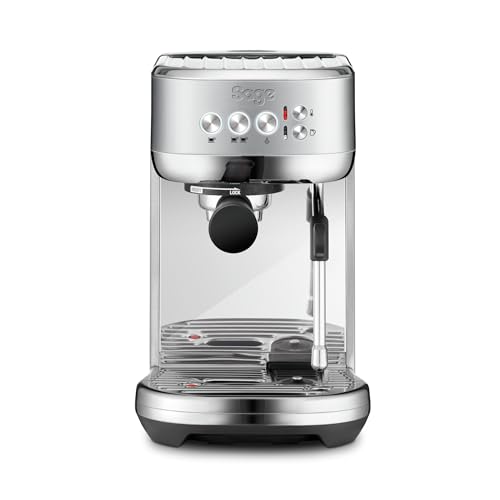
Sage Bambino Plus
De’Longhi Magnifica Evo

Frequently asked questions
Is the Gaggia Classic Pro good for beginners?
Only for beginners who are willing to learn. Expect around two weeks of inconsistent shots before things click.
Do I need a separate grinder?
Yes. It is essential, not optional. Budget for a decent burr grinder from the start.
How does it compare with the Sage Bambino Plus?
The Gaggia offers manual control, a bigger upgrade path and longevity. The Bambino Plus offers convenience, fast heat-up and automatic milk.
Which upgrades are worth it?
The Rancilio Silvia steam wand is well worth it. A PID controller, precision basket and new gaskets are optional but valuable if you enjoy tinkering.
How long will it last?
Well over a decade with sensible descaling and basic maintenance, and parts are cheap and easy to source.