Instant Pot and Ninja Foodi are the two names most people think of when they shop for a multi-cooker, and on the surface they do similar things: pressure cook, slow cook, sauté, steam and make yoghurt, all in one pot on the worktop. The real difference is air frying. Ninja’s Foodi SmartLid models build air frying into the same appliance, while Instant Pot’s current UK line-up focuses on pressure cooking, with air frying handled by its separate Vortex air fryers.
That changes how you should approach the decision. The Instant Pot models with a second, swap-on air fryer lid are hard to find in the UK at the moment, so in 2026 the real choice is between one Ninja that does everything and an Instant Pot that does pressure and slow cooking brilliantly – with or without a separate air fryer alongside it. This guide compares the models you can actually buy today, with prices checked on Amazon UK in September 2026. For the wider market, see our best multi-cookers UK 2026 line-up.
Instant Pot vs Ninja Foodi at a glance
- Best overall (pressure cook and air fry in one): Ninja Foodi 11-in-1 6L SmartLid OL550UK – about £214
- Best Instant Pot: Instant Pot Pro 5.7L 10-in-1 – about £199
- Best value: Instant Pot 5.7L 7-in-1 – about £97
- Best for small kitchens: Instant Pot 3.8L 7-in-1 – about £79
- Best Ninja pressure cooker without air fry: Ninja HyperHeat 9-in-1 PC201UK – about £139
- Best air fryer to pair with an Instant Pot: Instant Vortex Compact 5L – about £100
The key difference: one lid or one job
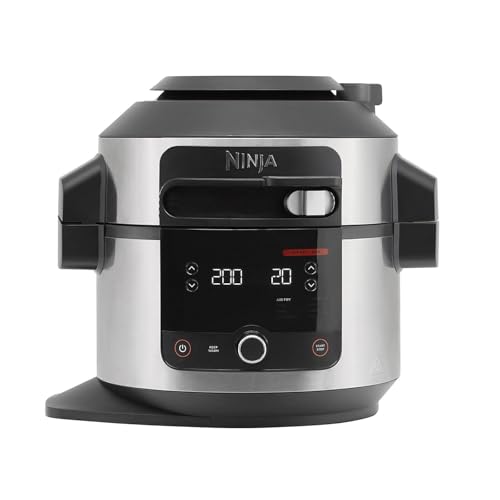
The Ninja Foodi 11-in-1 uses what Ninja calls a SmartLid. It stays attached to the base and a slider switches it between pressure cooking, air frying and combined steam modes, so you can pressure cook a stew and then crisp the top, or steam and then air fry chicken, without swapping lids or moving food between appliances. For two-stage cooking, that is a genuine convenience, and it means one appliance can replace a pressure cooker, a slow cooker and an air fryer.
Instant Pot’s multi-cookers in this guide use a single sealing pressure lid and do not air fry. In exchange, they are lighter, simpler and cheaper, and they concentrate on what Instant Pot built its reputation on: fast, reliable pressure cooking with straightforward controls. If you already own an air fryer, or rarely air fry, paying extra for the Ninja’s air frying makes less sense.
The simplest way to decide is to ask how often you would use both functions together. If the answer is several times a week, the Ninja’s one-lid design is worth paying for. If you mostly pressure cook and slow cook, an Instant Pot will do the job for less money and less worktop weight.
Specs and price compared
The Ninja Foodi 11-in-1 OL550UK has a 6-litre cooking pot, a 3.7-litre Cook & Crisp basket for air frying, 1,460W of power and 11 functions: pressure cook, air fry, grill, bake, dehydrate, sear/sauté, steam, slow cook, yoghurt, steam air fry and steam bake. Ninja says it will take a 2kg roast or 1.1kg of chips and serve up to four portions. It measures roughly 35cm wide, 36cm deep and 33cm tall, and weighs about 10.7kg. It costs around £214.
The Instant Pot Pro 5.7L 10-in-1 is Instant Pot’s closest rival on price, at around £199. It has a 5.7-litre pot, 1,200W of power and 10 functions including pressure cook, slow cook, sauté, rice, steam, yoghurt, sous vide and bake, and it serves up to six portions. At roughly 35.5cm square and 32.5cm tall it takes up a similar footprint to the Ninja, but at about 6.7kg it is significantly lighter.
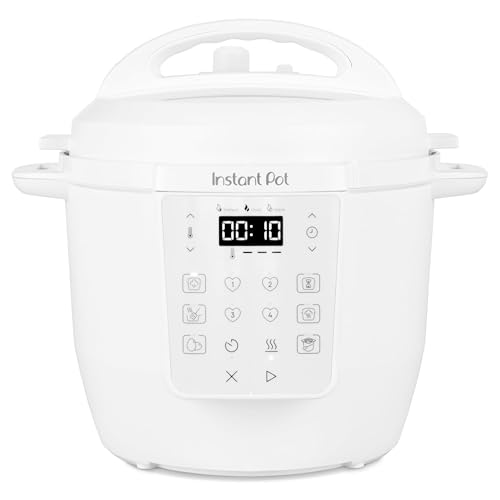
Drop down to the Instant Pot 5.7L 7-in-1 and you keep the same 5.7-litre capacity and core pressure, slow cook, sauté, steam and yoghurt functions for around £97 – less than half the price of the Ninja. It is also the lightest full-size model here, at about 5kg.
The models in detail
1. Ninja Foodi 11-in-1 6L SmartLid Multi-Cooker (OL550UK) – Best overall

The Ninja Foodi OL550UK is the multi-cooker to buy if you want one appliance to do almost everything. The SmartLid combines pressure cooking and air frying in a single hinged lid, and the steam air fry and steam bake modes use steam and convection heat together – useful for keeping meat juicy while crisping the outside, or for lighter bakes. A reversible rack lets you cook two layers at once, such as vegetables underneath and chicken above.
Ninja claims pressure cooking is up to 70% faster than slow cooking, simmering or braising, and that air frying sausages uses up to 65% less energy than a conventional oven, based on its own calculations. All removable parts are non-stick, some are dishwasher safe, and Ninja offers a two-year guarantee when you register the product.
The downsides are size and weight. At nearly 11kg, this is not an appliance you will want to lift in and out of a cupboard, and the lid needs clearance to open upwards, so check the space beneath your wall cupboards. The 6-litre pot serves up to four portions – enough for most families, but the larger 7.5-litre SmartLid model is currently hard to find at a sensible price. It is sold by Amazon and averages around 4.6 out of 5 from more than 2,000 ratings at the time of writing.
Best for: households that want pressure cooking and air frying in a single appliance.
2. Instant Pot Pro 5.7L 10-in-1 – Best Instant Pot

The Instant Pot Pro is the most capable Instant Pot currently in stock in the UK and the natural rival to the Ninja on price. Its 10 functions cover pressure cooking, slow cooking, sautéing, rice, steaming, yoghurt, sous vide and baking, and the 5.7-litre pot serves up to six portions – a little more capacity than the Ninja for batch cooking and family meals.
Instant Pot says it has 20% more power than standard models for faster preheating, and its NutriBoost function pulses during pressure cooking, which Instant Pot says helps to develop richer flavour in soups, stews and risottos. According to the listing, it also works with the Instant Connect app for remote control and monitoring. Instant Pot claims pressure cooking cuts cooking time by up to 70% and uses up to 80% less energy than a traditional electric oven.
What it does not do is air fry, so if crispy food matters to you, you will need a separate air fryer or the Ninja instead. It is also a newer listing with far fewer reviews than the Ninja, although it averages around 4.5 out of 5 so far. It is sold by Amazon.
Best for: keen cooks who want Instant Pot’s most advanced pressure cooker, with sous vide and app control.
3. Instant Pot 5.7L 7-in-1 – Best value
The Instant Pot 5.7L 7-in-1 is the classic Instant Pot formula and the smartest buy for anyone who does not need air frying. It pressure cooks, slow cooks, sautés, steams, cooks eggs, makes yoghurt and keeps food warm, with four customisable preset buttons for your most-used recipes. Instant Pot quotes risotto in six minutes and one-pot pasta in five, and the 5.7-litre pot serves up to six people.
The easy-seal locking lid and steam release switch make it straightforward to use, and the stainless steel inner pot, lid and accessories are all dishwasher safe. At around £97 and 5kg, it is the cheapest and lightest full-size multi-cooker in this comparison.
It lacks the Pro’s sous vide, bake and app features, and has no air fry function. For pressure cooking and slow cooking alone, though, it covers everything most households need. It is sold by Amazon and averages around 4.2 out of 5 at the time of writing.
Best for: first-time multi-cooker buyers and anyone who already owns an air fryer.
4. Instant Pot 3.8L 7-in-1 – Best for small kitchens
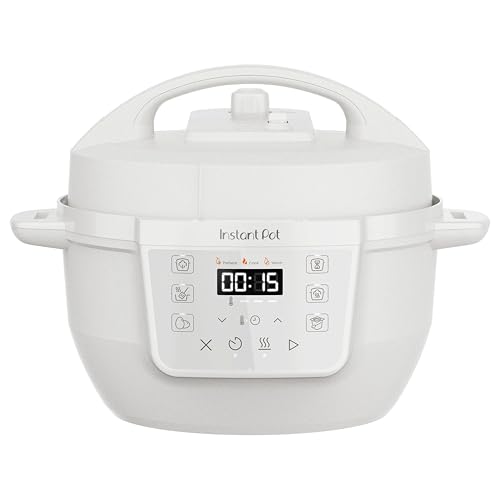
For solo cooks, couples and small kitchens, the Instant Pot 3.8L offers the same seven functions as its bigger sibling in a more compact body. It stands around 26cm tall, noticeably shorter than the 5.7-litre models, which makes it easier to fit under low wall cupboards, and it serves up to four portions.
It shares the easy-seal lid, steam release switch and dishwasher-safe stainless steel pot of the larger model, and at around £79 it is the cheapest multi-cooker here. The smaller pot does limit batch cooking and larger joints, so families should stick with a 5.7-litre model.
At the time of writing it is sold by Amazon but usually dispatched within six to ten days rather than straight away, so check delivery times before you order. It averages around 4.6 out of 5.
Best for: one or two people, flats and small kitchens.
5. Ninja HyperHeat 9-in-1 Pressure Cooker (PC201UK) – Best Ninja without air fry
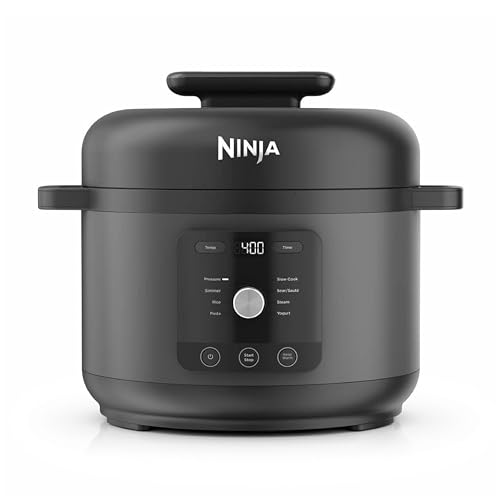
If you like the idea of a Ninja but do not need air frying, the HyperHeat PC201UK is Ninja’s dedicated pressure cooker and a direct rival to the Instant Pot range. It has a 6-litre pot that serves up to six people and nine functions: pressure cook, slow cook, sear/sauté, rice, steam, pasta, simmer and yoghurt, plus an automatic keep-warm mode.
At around £139 it sits between the Instant Pot 7-in-1 and the Pro on price. It comes with a steam rack and recipe guide, and Ninja’s two-year guarantee applies when you register. At about 37cm tall and 7.2kg, it is taller and heavier than the equivalent Instant Pots. It is sold by Amazon and averages around 4.6 out of 5.
Best for: Ninja fans who want pressure cooking without paying for air frying.
6. Instant Vortex Compact 5L Air Fryer – Best air fryer to pair with an Instant Pot
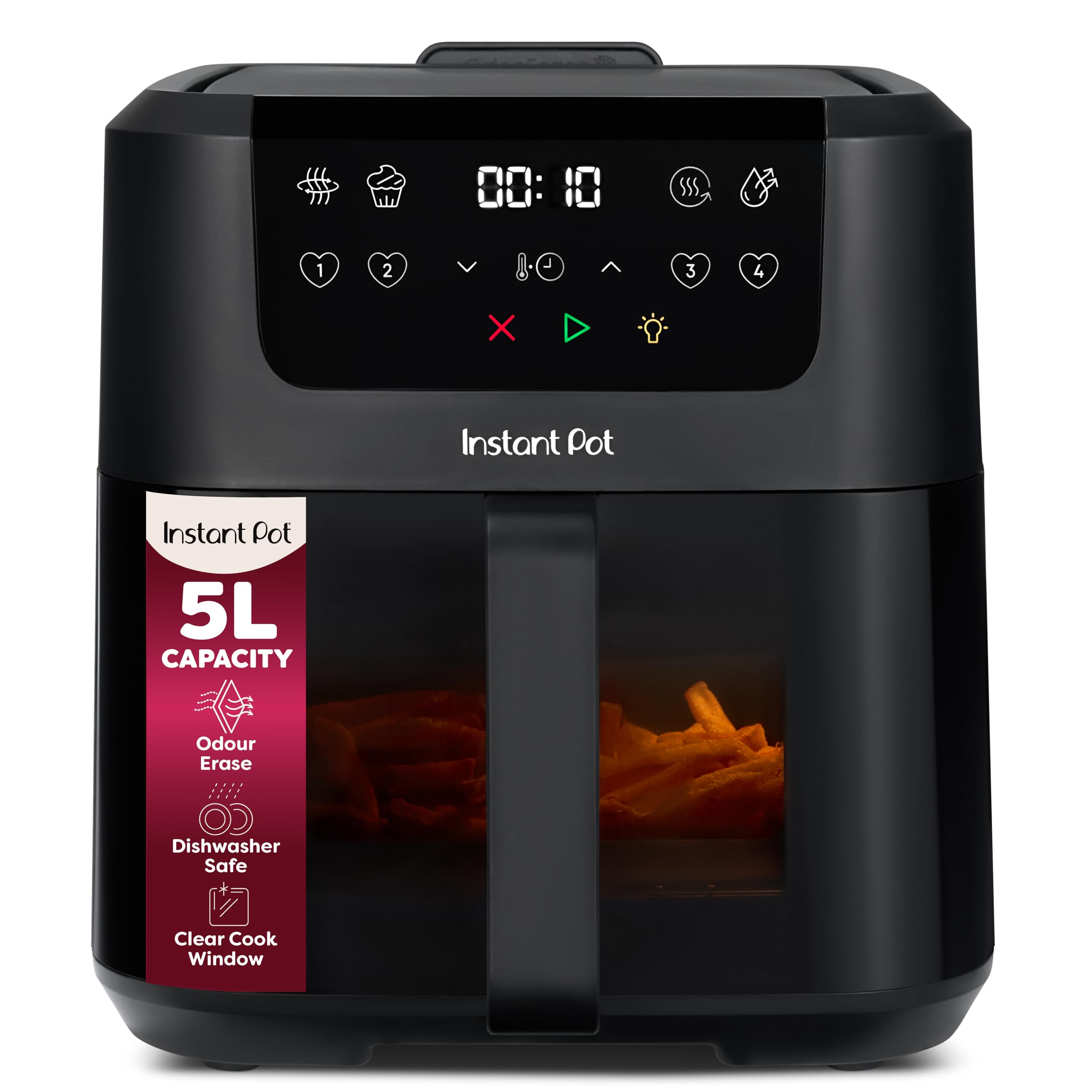
If you prefer an Instant Pot but still want to air fry, a separate air fryer is the practical answer, and the Instant Vortex Compact is a good match. It air fries, bakes, reheats and dehydrates, and its 5.3-litre basket takes a 1.6kg whole chicken or 750g of chips. A ClearCook window lets you check food without opening the basket, and OdourErase filters help to trap grease and cooking smells.
Paired with the Instant Pot 5.7L 7-in-1, it costs around £196 in total – slightly less than the Ninja Foodi 11-in-1 – and you can pressure cook and air fry at the same time rather than one after the other. The trade-off is that you need worktop or cupboard space for two appliances. It is sold by Amazon and averages around 4.5 out of 5.
Best for: Instant Pot owners who want to add air frying.
Also worth considering
The Instant Pot Plus 9-in-1 5.7L sits between the 7-in-1 and the Pro at around £149. It adds sous vide and a sterilise function – useful for baby bottles and jars – and, according to the listing, Instant Connect app control, but it has fewer reviews than the other models here, averaging around 4 out of 5.

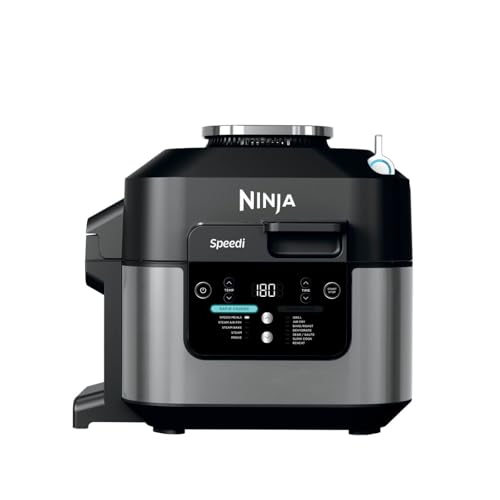
The Ninja Speedi 12-in-1 (ON500UK) takes a different approach. It does not pressure cook, but combines steam and convection heat so you can cook grains or pasta underneath while crisping meat or vegetables on the tray above, all at once. With a 5.7-litre pot, air fry, slow cook and 10 other functions for around £159, it suits small households who want fast one-pot meals and air frying more than pressure cooking.
Instant Pot plus air fryer vs Ninja Foodi: which works out better?
On price, the two approaches are closer than you might expect. The Ninja Foodi 11-in-1 costs around £214; an Instant Pot 5.7L 7-in-1 plus an Instant Vortex Compact costs around £196. For roughly the same money, you are choosing between one appliance and two.
The Ninja wins on worktop space and on two-stage cooking – pressure cooking then crisping in the same pot is simpler than transferring food between appliances. The Instant Pot and Vortex pairing wins on flexibility: you can run both at once, the air fryer has a larger basket than the Ninja’s 3.7-litre Cook & Crisp basket, and if one appliance fails you still have the other. It is also the cheaper route if you already own one of the two.
Footprint, weight and cleaning
The Ninja Foodi 11-in-1 and the Instant Pot 5.7L models take up a similar area on the worktop, at roughly 35cm square, but the Ninja is much heavier at around 10.7kg against 5–6.7kg for the Instant Pots. If your multi-cooker will live in a cupboard rather than on the worktop, the lighter Instant Pots are easier to move around. The Ninja’s hinged SmartLid also needs clearance to open upwards, so measure the gap under your wall cupboards.
Cleaning is straightforward on both brands. The Instant Pots have dishwasher-safe stainless steel inner pots, lids and accessories, while the Ninja’s removable parts are non-stick and some are dishwasher safe. On any pressure cooker, the silicone sealing ring and steam valve need removing and washing regularly to stop smells building up.
Which should you buy?
- You want one appliance for pressure cooking and air frying: Ninja Foodi 11-in-1 SmartLid OL550UK.
- You mainly pressure cook and slow cook: Instant Pot 5.7L 7-in-1.
- You want Instant Pot’s best features, including sous vide: Instant Pot Pro 5.7L 10-in-1.
- You cook for one or two in a small kitchen: Instant Pot 3.8L 7-in-1.
- You prefer Ninja but do not need air frying: Ninja HyperHeat PC201UK.
- You want an Instant Pot and an air fryer: Instant Pot 5.7L 7-in-1 plus Instant Vortex Compact.
Instant Pot vs Ninja Foodi FAQs
Is the Ninja Foodi worth more than an Instant Pot?
It is if you will use the air fryer regularly, particularly for two-stage cooking such as pressure cooking and then crisping. If you mostly pressure cook and slow cook, an Instant Pot does the same core jobs for less than half the price.
Can an Instant Pot air fry?
The Instant Pot models currently available in the UK do not air fry. Instant Pot has sold models with a separate air fryer lid, but these are hard to find at the moment. If you want air frying from the Instant brand, a separate Instant Vortex air fryer is the practical option.
Can either replace a slow cooker?
Yes. Every multi-cooker in this guide except the Instant Vortex air fryer has a slow cook function, so if you do not already own a slow cooker, either brand removes the need to buy one.
Which is better for recipes and support?
Instant Pot has one of the largest recipe communities of any kitchen appliance, including an active UK Facebook group, and the Pro and Plus models work with the Instant Connect app. Ninja includes a chef-created recipe guide with its multi-cookers and has a growing library of recipes online.
Are multi-cookers safe to use every day?
Modern electric pressure cookers from both brands use locking lids that stay sealed while under pressure, along with controlled steam release. Always follow the manual, never force a lid open, and keep the sealing ring and valves clean so they work properly.
What about other multi-cookers?
Brands such as Tefal and Crock-Pot also make multi-cookers, and our Tefal Cook4Me review and best multi-cookers UK 2026 guide cover the wider market. For most UK households, though, Instant Pot and Ninja offer the widest choice of models and the best availability.
The final word
The Ninja Foodi 11-in-1 SmartLid is the multi-cooker to buy if you want one appliance to pressure cook, slow cook and air fry, and its single lid makes two-stage cooking easy. The Instant Pot 5.7L 7-in-1 is the better value if you mainly pressure cook, and the Instant Pot Pro is the pick for anyone who wants Instant Pot’s most advanced features.
If you are torn, remember that an Instant Pot and a separate Instant Vortex air fryer cost slightly less than the Ninja together. Choose one appliance for convenience and worktop space, or two for flexibility – either way, you will have a kitchen that can cook almost anything.