A good milk frother is the difference between coffee that tastes home-made and coffee that tastes like a cafe. It is also the single cheapest upgrade most UK kitchens can make: you do not need a £500 espresso machine to pour a silky flat white, you need milk heated to the right temperature and aerated into proper microfoam. The question almost everyone asks first is whether a stand-alone frother is worth buying at all when so many machines now come with a steam wand or an automatic carafe built in.
The honest answer is: it depends entirely on what you already own and what you drink. If you are still shopping for the machine itself, start with our pillar guide to the [best espresso machines under £500 UK 2026] and come back here – because a machine with a capable steam wand changes this decision completely. But if you own a pod machine, a filter setup, a French press, or an entry-level espresso machine with a weak frother, a dedicated milk frother is the fastest, cheapest route to better milk drinks at home, and it doubles as the easiest way to make a proper hot chocolate.
This guide is built around one practical split: stand-alone frothers (jug-style automatics and handheld wands you buy separately) versus built-in milk systems (the steam wand or auto-carafe attached to your coffee machine). We tested four stand-alone frothers across every budget, compared each against a built-in steam wand, and judged them on the things that decide whether a frother lives on the worktop or disappears into a cupboard: froth quality, ease of cleaning, temperature control, noise and value.
Who tested this and how
Every frother in this guide was used by Ben, the editor of Kitchen Kit, in a real UK domestic kitchen over several weeks – not on a test bench for an afternoon. Each one made the same drinks day in, day out: morning flat whites and lattes with semi-skimmed and whole milk, the occasional oat-milk cappuccino, and hot chocolate for the kids at the weekend. We poured the same way each time so the comparison was about the frother, not the barista, and we used a kitchen thermometer to check that “hot” actually meant the 60-65C sweet spot rather than scalded milk.
We logged the things that quietly decide whether a frother keeps getting used: how silky and stable the microfoam was, whether it could texture plant milks as well as dairy, how long it took to heat and froth a single serving, how loud it was first thing in the morning, and – the big one – how annoying it was to clean. A frother that needs soaking and scrubbing after every drink gets abandoned by week three, no matter how good the foam. Every price in this guide is the UK RRP at the time of writing; frothers in particular go on offer often, so check the live price before you buy.
How the four stand-alone frothers compare
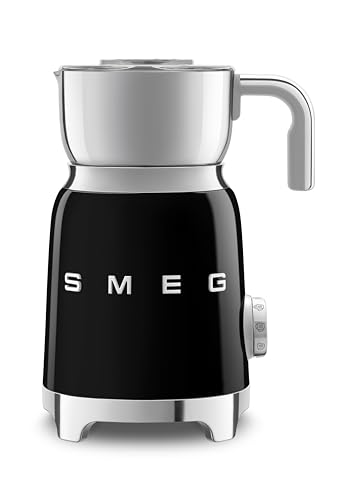
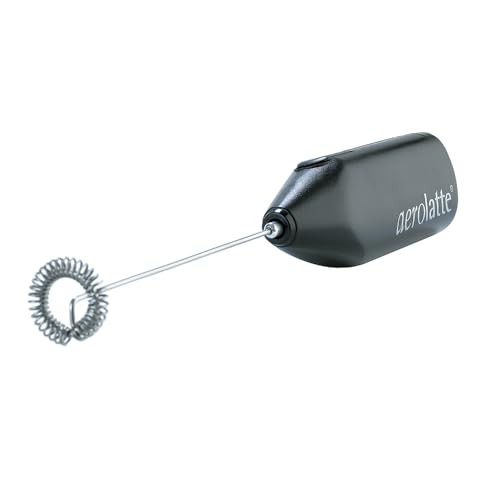
All four of the stand-alone frothers below will give you better milk than the steam wand on a budget espresso machine, but they go about it in very different ways and at wildly different prices – from a £15 handheld whisk to a £150 design piece. The automatic jug frothers (Nespresso Aeroccino 4, Sage Milk Cafe, Smeg MFF11) heat and froth in one step with no skill required; the handheld Aerolatte froths cold or pre-heated milk and costs less than a takeaway round of coffees.
The table below lays the key differences side by side – price, type, hot and cold function, plant-milk performance, capacity and how easy each is to clean – so you can match a frother to your drinks and your budget at a glance before reading the detail underneath.
[INSERT COMPARISON TABLE HERE – 5 rows, 8 columns: Model | Price (£) | Type | Hot + cold | Plant milk | Max capacity | Cleaning | Rating]
Stand-alone vs built-in: which do you actually need?
This is the decision most people get stuck on, so let us settle it. A built-in steam wand – the metal arm on an espresso machine – gives you the most control and the best results once you learn to use it, and it costs nothing extra because it is part of the machine. If you own a capable machine like the Sage Bambino Plus, you almost certainly do not need a separate frother; you need ten minutes of practice. The catch is that cheap built-in wands (the plastic “panarello” type on sub-£150 machines) are slow, fiddly and produce stiff bubbly foam rather than silky microfoam, and they only work while the machine is on.
A stand-alone frother wins on three counts: it is foolproof (press one button, walk away), it works regardless of what coffee you are making – pod, filter, instant or French press – and it is the only sensible option for hot chocolate and milk-based drinks when you do not want to fire up the espresso machine at all. The trade-off is a second appliance on the worktop and slightly less control over texture than a well-driven steam wand. For most UK households that drink a mix of drinks and value convenience over latte-art perfection, a stand-alone automatic frother is the better buy. Serious espresso obsessives should put their money into the machine and learn the wand.
Froth quality: the test that separates microfoam from bubbles
The Sage Milk Cafe (BMF600) produced the best microfoam of any stand-alone frother we tested – dense, glossy and stable enough to attempt basic latte art, which no other automatic here can honestly claim. It has adjustable temperature and a cold-froth setting, and it handles a full jug for two drinks at once. The Nespresso Aeroccino 4 is a step behind on outright texture but more than good enough for everyday flat whites and lattes, and its four settings (hot milk, hot froth, cold froth, and a dedicated hot-chocolate mix) cover almost everything a household drinks. The Smeg MFF11 froths to a similar standard as the Aeroccino and looks far better doing it, which is the main reason to pay the premium.
The £15 Aerolatte handheld is the surprise: with pre-heated milk it whips up a respectable cappuccino-style foam in fifteen seconds, and for black-coffee households that only occasionally want a frothy top, it is all the frother you need. It will not give you flat-white-grade microfoam – the foam is lighter and bubblier – but at the price, that is a forgivable limit.
Plant milks, temperature and noise
Oat milk is now the default for a big share of UK households, and not every frother handles it well. Barista-edition oat milks froth beautifully in all four; standard oat and almond milks were noticeably better in the Sage and the Aeroccino 4 than in the cheaper options. On temperature, the Sage is the only one here with genuinely adjustable heat, which matters if you like your milk on the cooler side or are frothing for children; the Aeroccino and Smeg target a fixed, sensible 60-65C, and the handheld relies on you heating the milk first.
Noise is rarely mentioned and quietly important in an open-plan kitchen where someone is still asleep. The induction jug frothers (Aeroccino, Sage, Smeg) are near-silent – a gentle hum for 60-90 seconds. The handheld whisk is louder and more obviously “buzzy,” though only for a few seconds. None of them will wake the house, which is more than can be said for a steam wand purging at 6am.
Cleaning: the real reason frothers get abandoned
This is where the price gaps earn their keep. The Nespresso Aeroccino 4 and Smeg MFF11 have non-stick interiors and detachable parts that rinse in seconds, and – crucially – the Aeroccino 4 carafe is dishwasher-safe, a first for the range and the single biggest reason it tops this guide for everyday households. The Sage Milk Cafe jug and whisk are dishwasher-safe too, though the unit is bulkier to store. The Aerolatte could not be simpler: rinse the whisk under the tap, done. A built-in steam wand, by contrast, needs wiping and purging after every single drink or milk dries and clogs it – the hidden chore that puts people off milk drinks at home in the first place.
Definitive buy guidance
Buy the Nespresso Aeroccino 4 if you want the best all-round stand-alone frother for a normal UK household – it is foolproof, near-silent, makes genuinely good milk drinks and hot chocolate, and the dishwasher-safe carafe means it actually stays in use rather than gathering milk crust in a cupboard. At around £90 it is the one we would put in most kitchens.
Buy the Sage Milk Cafe if froth quality is your priority and you want the closest thing to cafe microfoam without learning a steam wand, or if you regularly make two drinks at once and want adjustable temperature. Buy the Aerolatte if you drink mostly black coffee and only occasionally want a frothy top – at £15 it is unbeatable value and takes up no space. Buy the Smeg MFF11 if it is going to live on a worktop you look at every day and the design matters as much as the foam; it froths as well as the Aeroccino and looks the part, you are simply paying for the styling. And if you already own a machine with a capable steam wand, skip all of them, watch a five-minute steaming tutorial, and save your money for better beans.
FAQ
Do I need a milk frother if my coffee machine has a steam wand?
Not usually. A capable steam wand on a mid-range espresso machine gives you more control and better microfoam than any automatic frother, once you have practised. A stand-alone frother makes sense if your machine has a weak panarello-style wand, if you mostly make pod, filter or instant coffee, or if you want an easy way to make hot chocolate and milk drinks without switching the machine on.
What is the best milk frother for lattes and flat whites?
For silky microfoam suited to flat whites, the Sage Milk Cafe is the best stand-alone frother we tested, with the Nespresso Aeroccino 4 close behind and easier to clean. Both produce milk good enough that the drink tastes cafe-made; the Sage edges it on outright texture and adjustable temperature, the Aeroccino on everyday convenience.
Can milk frothers froth oat milk and other plant milks?
Yes, though results vary. Barista-edition oat and soy milks froth beautifully in every frother here because they are formulated to. Standard oat and almond milks froth noticeably better in the Sage and Aeroccino 4 than in cheaper handheld options. If you mainly drink plant milk, buy a barista-edition carton and one of the two automatic jug frothers.
Are handheld milk frothers any good?
For the money, yes. A £15 handheld like the Aerolatte will whip pre-heated milk into a light, cappuccino-style foam in about fifteen seconds. It will not match the dense microfoam of a jug frother or steam wand, but for an occasional frothy coffee it is all most people need, and it stores in a drawer.
What temperature should frothed milk be?
Around 60-65C – hot enough to feel properly hot but not so hot that it scalds and turns bitter. Most automatic frothers target this range automatically; the Sage Milk Cafe lets you adjust it, which is useful if you prefer cooler milk or are making drinks for children.
Stand-alone frother or built-in – which is cheaper overall?
A built-in steam wand costs nothing extra because it comes with the machine, so if you already own a capable espresso machine it is the cheaper route. If you do not, a £15-£90 stand-alone frother is far cheaper than upgrading to a machine with a good wand, and it works with whatever coffee you already make.